Gosaba is one of the most significant inhabited islands in the Sundarbans, playing a crucial role in the region’s ecological, economic, and social landscape. Here are some key aspects of its importance:
1. Gateway to the Sundarbans
Gosaba is the largest and last inhabited island before the core forest areas of the Sundarbans.
It serves as an entry point for tourists, researchers, and forest officials exploring the Sundarbans Tiger Reserve.
2. Economic & Livelihood Hub
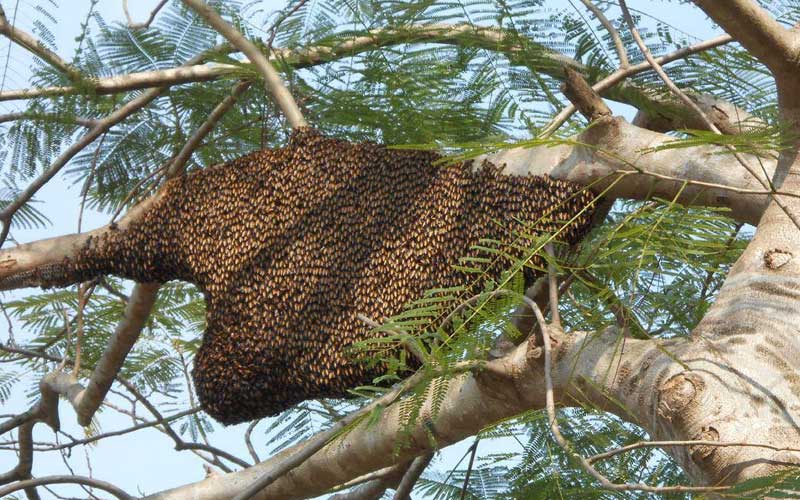
The island supports thousands of people engaged in fishing, honey collection, and agriculture.
Many residents work as boatmen or tourist guides for those visiting the Sundarbans.
3. Role in Conservation & Human-Wildlife Conflict Management
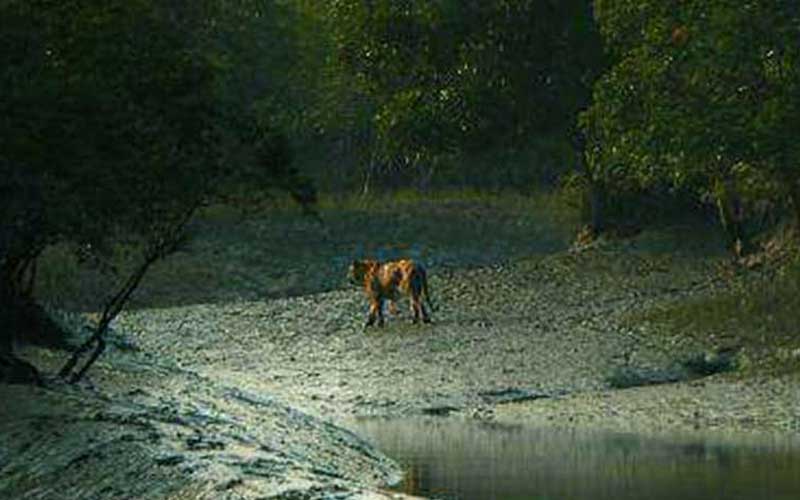
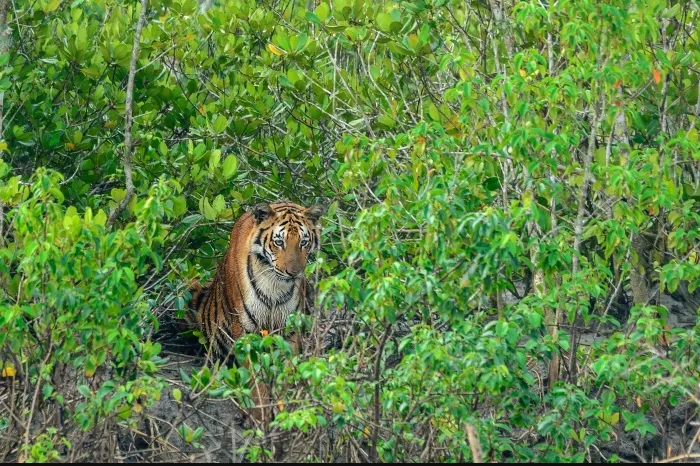
Due to its proximity to the forest, human-wildlife conflicts (especially with tigers) are common.
Several conservation programs operate here to protect both wildlife and the local community.
4. Historical Importance
Gosaba is known for its association with Sir Daniel Hamilton, a Scottish banker who initiated cooperative movements in the region in the early 20th century.
His efforts helped improve the economic conditions of the local people.
5. Vulnerability to Climate Change
The island faces coastal erosion, rising sea levels, and frequent cyclones (like Aila, Amphan, and Yaas).
Many local initiatives focus on mangrove afforestation and sustainable livelihood development to combat climate threats.
6. Tourism & Ecotourism
Gosaba has several tourist lodges and serves as a base for eco-tourism in the Sundarbans.
It is close to major attractions like the Sajnekhali Wildlife Sanctuary and Dobanki Watchtower.
7. Connectivity & Infrastructure
It is one of the few places in the Sundarbans with basic healthcare, schools, and markets.
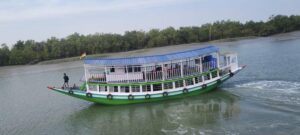
Accessible by boats and ferries from mainland West Bengal, making it a key transport hub.
Gosaba remains a crucial human settlement balancing nature, conservation, and livelihood challenges in the fragile ecosystem of the Sundarbans.